AI-Powered Voice Customer Support
AI-Powered Voice Customer Support
About the project: Built an AI-powered customer support platform that handles inbound voice calls end-to-end: answering, resolving, escalating, and logging, without a human in the loop for tier-1 issues. The system connects Vapi (voice AI), n8n (workflow automation), and Supabase (data layer) into a single support pipeline.
1-Page Explainerhttps://drive.google.com/file/d/1dWOLG4Q19MHMwzqJ3cFXVHCDiuQKHTl9/view?usp=sharingVideo walkthroughhttps://youtu.be/KuXQf-7ZqjcVoice Customer Support
Overview
Built an AI-powered customer support platform that handles inbound voice calls end-to-end: answering, resolving, escalating, and logging, without a human in the loop for tier-1 issues. The system connects Vapi (voice AI), n8n (workflow automation), and Supabase (data layer) into a single support pipeline with a live dashboard for monitoring conversations, ticket status, and resolution rates.
Problem
Customer support at scale breaks in predictable ways:
The result: slow response times, high agent burnout on low-value tickets, and customers who called twice for the same issue.
Solution
Designed a full-stack AI voice support system where Vapi handles the conversation layer, n8n orchestrates the logic, and Supabase stores everything.
How it works:
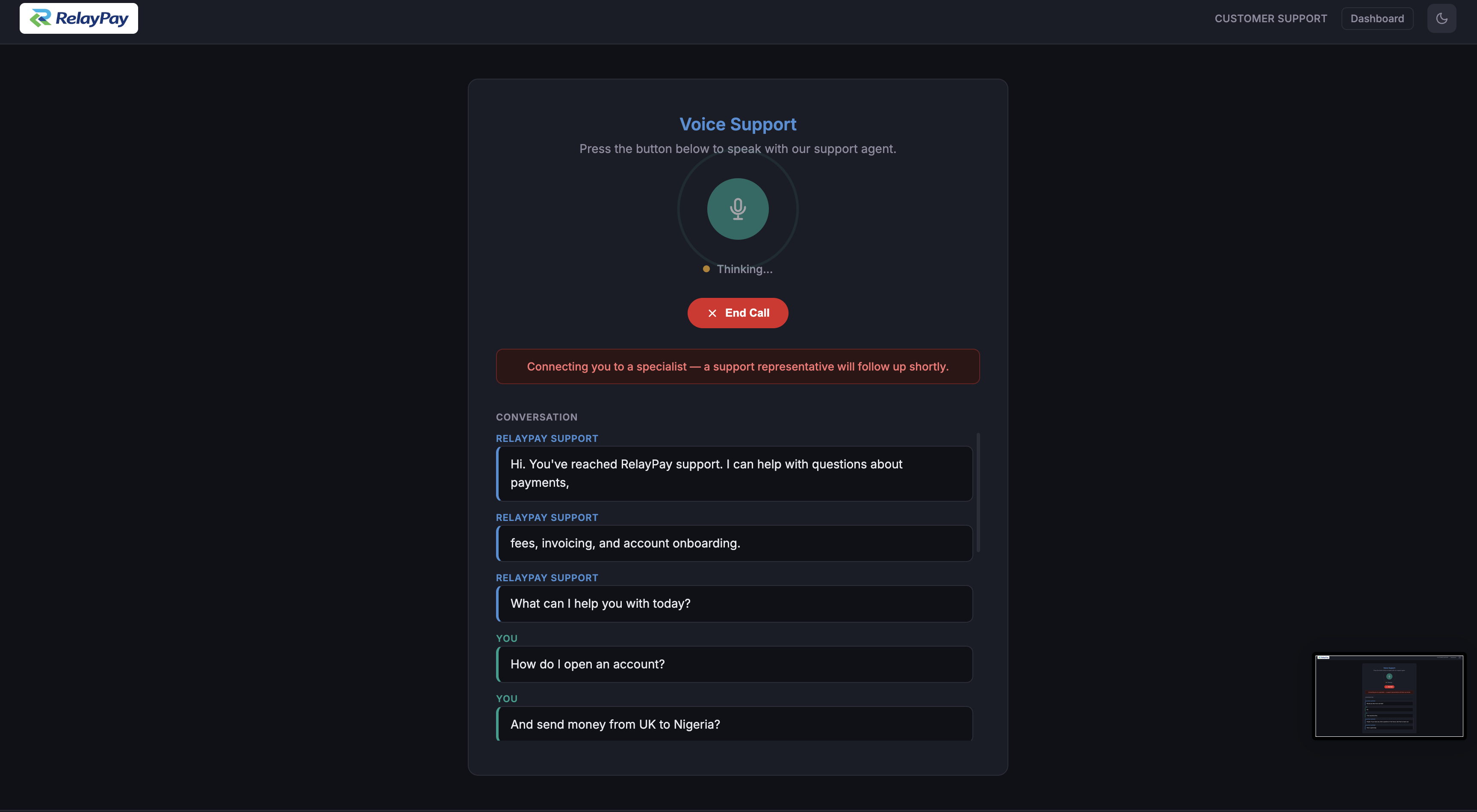
1. Customer calls the support number; Vapi picks up and runs the configured AI assistant.
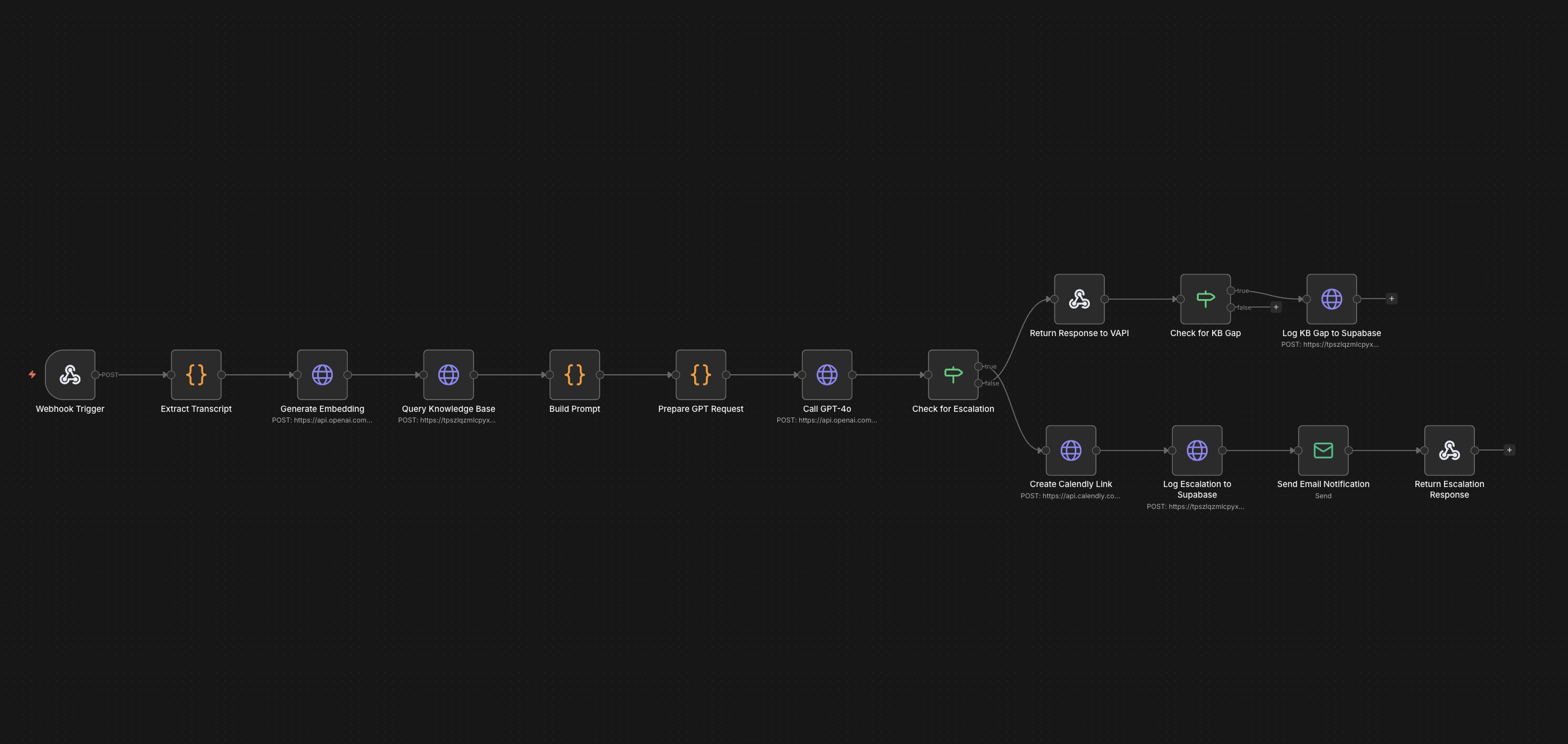
2. The assistant pulls relevant context mid-call by hitting n8n webhooks (order status, account info, known issues).
3. n8n queries Supabase in real time and returns structured data back to Vapi so the assistant can speak accurate, account-specific answers.
4. If the call requires escalation, n8n routes it: live transfer, SMS follow-up, or ticket creation depending on the trigger condition.
5. When the call ends, Vapi sends the full transcript and call metadata to n8n.
6. n8n processes and classifies the conversation (resolved, escalated, unresolved), then writes the structured record to Supabase.
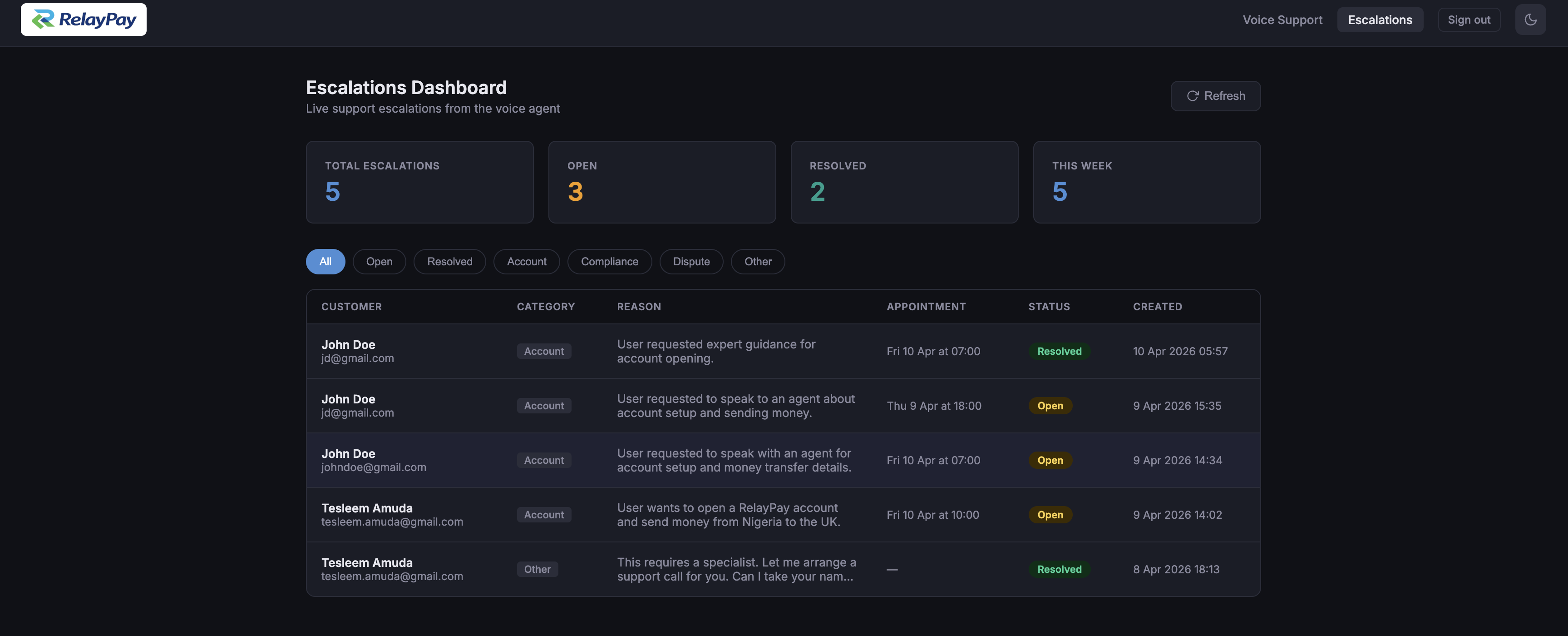
7. A custom dashboard reads from Supabase and displays call history, resolution status, escalation flags, and per-issue breakdown.
8. Each call gets a unique session ID for traceability across Vapi, n8n logs, and the Supabase record.
9. Errors and webhook failures are caught in n8n with retry logic and error branch notifications.
10. Agents reviewing escalated tickets see the full call transcript, extracted intent, and prior contact history in one view.